Many students feel confused when they receive low marks for an assignment they truly believed was good. They researched the topic, made sensible points, and used sources. Yet the feedback still says too descriptive, limited analysis, or weak engagement with sources.
If you have ever asked, Why am I getting low marks in my assignment? this article will explain the common reasons.
1. Your Assignment Is Descriptive Instead of Analytical
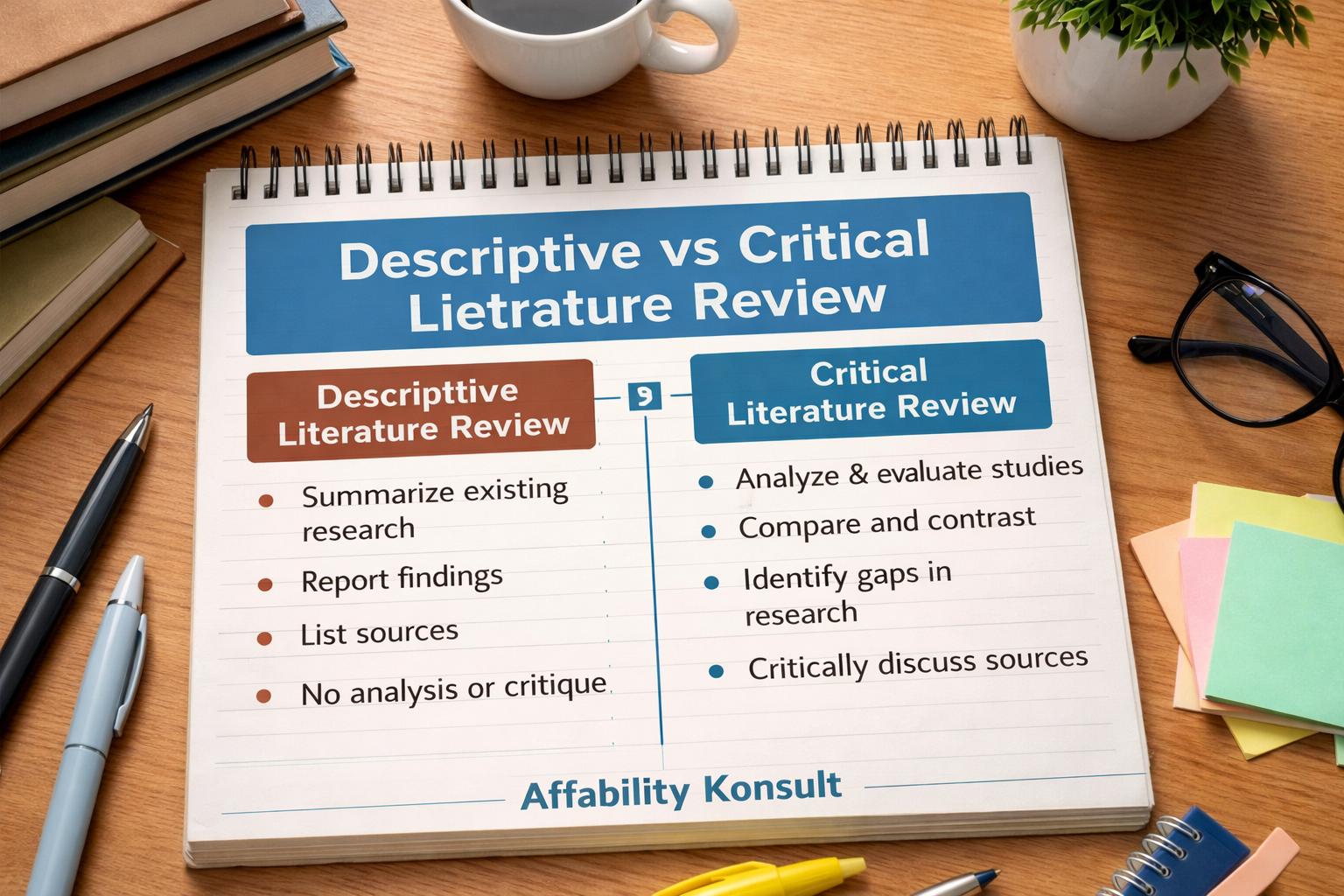
Most assignments begin with description, and that is normal. Description explains what other researchers have said.
The problem is when the writing never moves beyond this stage.
When you only describe, you:
explain ideas
summarise authors
report information
But you do not explain what the ideas mean or why they matter. That is why good arguments still lose marks.
Simple example
Descriptive: “Author A says social media affects learning.”
Analytical: “This matters because it explains why students may lose focus, which links to the drop in performance shown in Author B’s study.”
2. You Are Not Showing Critical Thinking
When writing stops at description, it also means there is little critical thinking.
Critical thinking does not mean attacking authors. It means you:
compare ideas
show differences
explain why one view may be stronger
Without this, your argument sounds safe but shallow.
3. Your Sources Are Controlling Your Writing
When critical thinking is missing, sources start to replace your thinking.
This happens when:
paragraphs start with author names instead of your point
quotes are too many
your voice is hard to hear
Markers want to see your reasoning clearly.
4. More Words Do Not Fix Low Marks
Many students try to solve low marks by writing more, adding more sources, and increasing word count.
Unfortunately, this often adds repetition, not depth.
Markers are not looking for length. They are looking for clarity and development of ideas.
What Markers Want to See in a Good Assignment
Markers are silently asking:
Do you understand what you are writing
Are you developing ideas, not repeating them
Can you explain points in your own words
When these are missing, good arguments still lose marks.
Quick Checklist Before You Submit
Did I explain why the evidence matters
Did I compare at least two viewpoints
Is my voice clear in every paragraph
Are my sources supporting my point, not replacing it